
Avoid Callbacks on Commercial Slabs With a Laser Screed Rental
Commercial slab work requires tight tolerances and consistent results across large areas. A warehouse floor, retail pad, or industrial slab has to withstand heavy loads and meet strict specifications. Even slight variations in elevation can create surface defects or compound into widespread flatness issues that affect material handling equipment, flooring installation, and long-term durability.
Many crews still rely on manual or outdated screeding methods that simply cannot keep pace with today’s project demands. Handheld tools and older mechanical screeds leave too much room for inconsistency, especially when productivity goals increase or weather conditions add pressure. A minor dip or ridge created early in the pour often grows into a larger defect as the slab progresses. When these imperfections appear after finishing, the contractor faces difficult conversations with clients and a costly return trip to fix the surface.
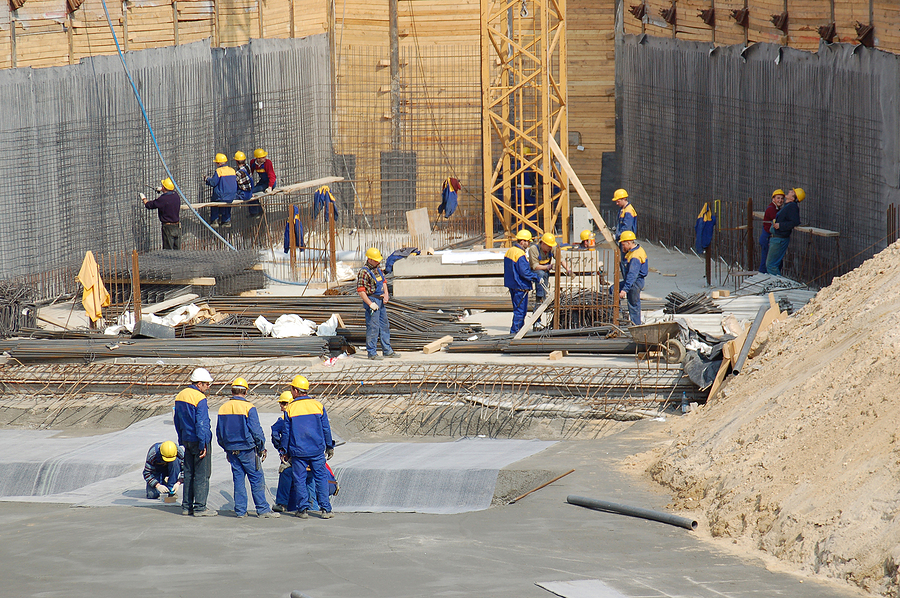
Rework throws off schedules and drains resources. Labor that should be moving to the next job becomes tied up correcting mistakes that could have been avoided. With tight margins in commercial concrete, even a minor setback can shift a project from profitable to problematic. Contractors recognize the value of improving accuracy, but many hesitate to change their workflow if they believe advanced equipment will be expensive, complicated, or difficult to coordinate.
Every Callback Brings More Than Extra Labor
Callbacks do far more than add hours to the timesheet. Each one chips away at client trust and contractor confidence. A general contractor who sees repeated flatness issues may hesitate to hire the same concrete team on future projects. Word travels quickly in commercial construction, and reputation is often the deciding factor in competitive bids.
Crews also feel the weight of these setbacks. They may have already pushed through a long pour day, only to find out the slab needs grinding, patching, or replacement.
Returning to a job that should have been finished forces the team to shuffle equipment, rearrange schedules, and delay other planned pours. The added work creates fatigue and frustration, which can lead to even more mistakes if the team rushes through repairs.
Financial pressure compounds the problem. Rising labor costs and tight production timelines leave little room for unplanned work. Rework becomes an expensive setback that drains resources that could have gone toward new projects. Contractors who experience repeated callbacks begin questioning how to guarantee consistent performance, especially on jobs with large square footage and strict flatness targets.
These concerns often push contractors to seek a better method to improve concrete-pour quality and reduce the variables that lead to slab issues. Many discover that advanced screeding technology offers an answer that aligns with both production goals and quality expectations.
A Laser Screed Rental With a Skilled Operator Provides the Accuracy Needed for Reliable Flatness
Power laser screed rental benefits extend far beyond speed. The machine’s integrated laser system levels the concrete to precise elevations while the screed head cuts and consolidates the surface in a single pass. This creates an even, repeatable finish across the slab that manual methods cannot match. The result is smoother floors, improved elevation control, and far fewer problem areas that could lead to callbacks.
Renting a laser screed with operator support removes the complexity from the process. The operator handles machine setup, calibration, and passes across the slab. Your crew focuses on raking, placing, and finishing, while the screed performs the precision work. This arrangement eliminates the learning curve that often worries contractors who feel unsure about operating high-performance equipment.
The technology also improves workflow efficiency. Consistent slab elevation reduces the amount of bull floating, minimizes the need for spot corrections, and allows finishers to move onto their tools more quickly. With fewer surface irregularities, power trowels run more smoothly and achieve a uniform finish with less labor. This combination lowers stress on the crew and supports faster overall production.
The financial advantage is also significant. Renting avoids the upfront investment of ownership while still delivering the performance needed for commercial slabs. Contractors gain access to high-end equipment without paying for long-term maintenance, storage, or repairs. With predictable rental pricing, bids become more accurate, and project planning becomes more reliable.
How a Laser Screed Improves Commercial Slab Quality
The machine maintains consistent grades, speeds up placement, minimizes manual rework during the pour, reduces finishing time, and helps crews hit flatness targets with less effort. These improvements directly address the root causes of callbacks. Flatness issues often stem from inconsistent screeding, irregular raking, uneven concrete supply, and fatigue among laborers. A laser screed compensates for these variables and maintains a controlled, steady workflow across the slab.
Another advantage is predictability. Pours that rely on hand methods often experience production bottlenecks that slow progress and give the concrete more time to set. The screed’s faster pace helps crews stay ahead of hydration, which reduces the risk of cold joints, soft spots, and texture variations that can compromise finished quality.
Trained operators also bring professional insight to the job. They understand how to adjust travel speed, head vibration, and pass direction to adapt to mixed behavior and site conditions. This level of control is difficult to achieve without experience, and rental services that include an operator help contractors avoid common pitfalls that lead to inconsistent flatness.
Better Control Over Quality Leads to Better Business Outcomes
Commercial slab work rewards contractors who deliver consistent results. A laser screed rental provides the accuracy, speed, and workflow advantages that improve outcomes on large pours. With fewer inconsistencies during placement, crews can move confidently through finishing without worrying about hidden issues that might reveal themselves later.
Avoiding rework protects profit margins and strengthens relationships with general contractors. A reputation for smooth, flat, problem-free floors positions a concrete company as a reliable partner for future commercial projects. The crew benefits as well, since predictable pours reduce fatigue and allow them to focus on producing quality work instead of fixing preventable defects.
Renting also gives contractors flexibility. They can scale up their capabilities for large commercial jobs without committing to an equipment purchase. This makes it easier to bid competitively on projects that require superior flatness or fast production rates.
The combination of accurate equipment and an experienced operator creates a system that dramatically reduces the risk of callbacks. Contractors gain confidence knowing the machine is handling precision work while the crew manages placement and finishing with less physical strain. This partnership leads to smoother pours, better slab performance, and improved project outcomes.
Stronger Commercial Results Start With the Right Rental Partner
A dependable laser screed rental service is one of the most effective ways to avoid slab rework and improve the flatness of commercial slabs. Contractors can deliver floors that meet specifications without the inconsistencies introduced by manual methods. The technology enables faster production, cleaner passes, and more predictable results in large pours.
Myles Construction Services offers rental power screeds with skilled operators, well-maintained equipment, and support to help your team improve concrete-pour quality. If you are looking to rent a laser screed with operator assistance for your next commercial project, reach out through their website to review availability and scheduling.