
How Turnkey Laser Screed Rentals Reduce Risk for General Contractors
This article is written for general contractors managing complex concrete pours with tight tolerances and schedules. It explains common causes of slab issues, the cost of missing specs, and how turnkey laser screed rentals reduce risk and improve consistency.
Crews were in place, trucks were queued, and the schedule left no room for anything to go wrong. Then the complications started to surface. The slab included multiple elevation changes, a sloped section for drainage, and strict FF and FL requirements that had to be met.
Coordination between crews slowed things down. The screed setup was not aligned to the layout. Adjustments took longer than expected. By the time the concrete began to set, it was clear the floor was not going to meet spec.
Now the pressure shifts. Instead of moving forward, the focus turns to damage control. Grinding, patching, and in some cases removing and replacing sections of the slab become part of the plan. What should have been a straightforward concrete pour turns into delays, added labor, and difficult conversations with project managers.
Where the Breakdown Happens
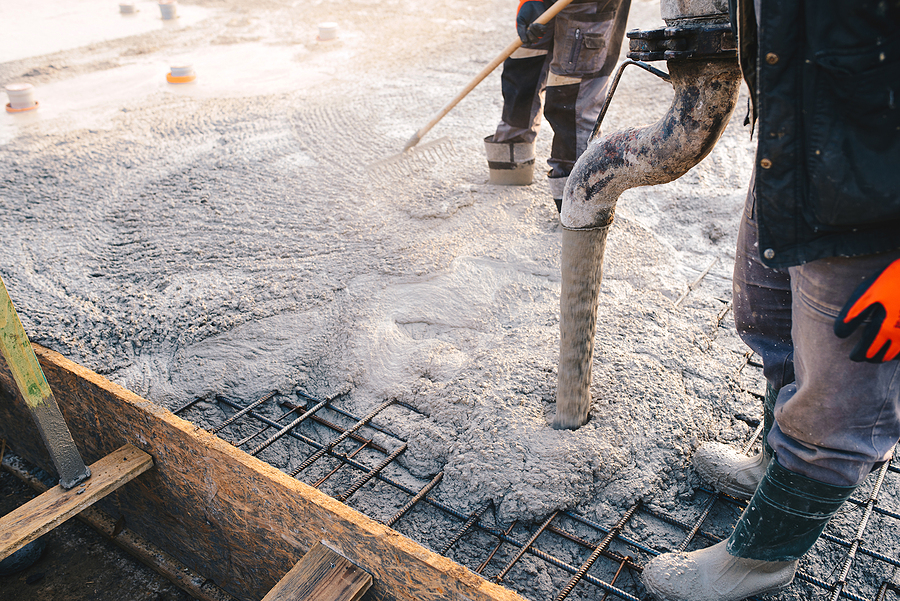
Large commercial and industrial concrete pours are unforgiving, especially when they’re more than a simple flat surface. Warehouses, distribution centers, manufacturing facilities, and parking structures often require precise floor flatness and levelness in some areas, controlled slopes in others, and seamless transitions between elevations. Each of these requirements adds another layer of complexity.
The problem is rarely a single failure. Instead, it is the accumulation of small inefficiencies and missteps that create larger issues. Layout inconsistencies, communication gaps between crews, and unfamiliarity with specialized equipment can all contribute. When multiple subcontractors are involved, coordination becomes even more difficult. Each group is focused on its own role, but the success of the slab depends on how well those roles align in real time.
Concrete does not wait for crews to get organized. Once it is placed, the window to achieve the required finish begins to close. Any delay in setup, adjustment, or execution increases the risk of missing tolerances. On large pours, even minor slowdowns can compound quickly and affect the entire slab.
The Real Cost of Getting It Wrong
When a slab fails to meet specifications, the consequences extend far beyond the immediate area of concern. Rework is expensive and time consuming. Grinding and patching can help correct minor deviations, but these fixes add labor costs and can impact the overall performance of the floor. In more severe cases, sections may need to be removed and replaced, which introduces additional material costs and extends project timelines.
Delays can also create a ripple effect across the entire jobsite. Other trades are often scheduled based on the completion of the slab. When timelines shift, it disrupts the sequencing of work and can lead to further inefficiencies. For general contractors, this can mean strained relationships with owners and increased pressure to recover lost time.
There is also the issue of reputation. Consistently delivering floors that meet or exceed specifications is important for maintaining trust with clients and partners. A single problematic pour can raise questions about reliability, especially on high visibility projects like data centers or large scale distribution facilities.
Labor challenges only add to the difficulty. Skilled workers are harder to find, and labor costs continue to rise. Relying on larger crews to compensate for inefficiencies is not always practical or sustainable. Contractors are often asked to do more with less people while still meeting tight deadlines and strict quality standards.
A Different Approach to Reducing Risk
One way to reduce these risks is to rethink how specialized equipment is brought onto the jobsite. Instead of purchasing and maintaining laser screed equipment or coordinating separate operators, many contractors are opting for turnkey laser screed rentals.
This approach combines the equipment, a trained operator, and delivery to the jobsite into a single, coordinated service. Rather than managing multiple moving parts, contractors work with one provider who is responsible for the performance of the screed operation.
Predictable Outcomes on Complex Pours
Predictability is one of the most valuable advantages of a turnkey rental approach. On complex slabs with varying elevations and slopes, consistency is key. A laser screed operated by an experienced professional can maintain tighter control over the surface, helping to achieve the required FF and FL numbers across the entire slab.
Because the operator is familiar with both the equipment and the challenges of large scale pours, they can anticipate potential issues before they become problems. Adjustments can be made quickly and efficiently, keeping the placement process moving without unnecessary delays.
This level of control is especially important on projects where tolerances are strict and the margin for error is small. Meeting specifications the first time reduces the need for rework and helps keep the whole jobsite on track.
Eliminating the Burden of Ownership
Owning specialized equipment like a power laser screed comes with significant costs. In addition to the purchase price there are ongoing expenses related to maintenance, storage, transportation, and training operators. For many contractors, these costs can be difficult to justify, especially if the equipment is not used on every project.
Renting provides a more flexible alternative. You can access the equipment when you need it without taking on the long term financial burden of ownership.
It also reduces the risk associated with equipment downtime. Maintenance and upkeep are handled by the rental provider, so you always get a machine that is ready to perform when it arrives on the jobsite.
A Practical Way to Stay Competitive
In an industry where deadlines are tight, labor is limited, and expectations are high, contractors need solutions that help them work more efficiently without sacrificing quality. Turnkey laser screed rentals offer a practical way to meet these demands.
By combining equipment, operator expertise, and logistics into a single service, this approach addresses many of the common challenges associated with large scale concrete pours. It reduces coordination issues, improves consistency, and helps deliver predictable results.
If you’re a contractor who occasionally bids on complex slabs, this can be a viable option for managing risk.
Schedule a Power Laser Screed Rental Today
Every concrete pour carries a level of risk, but that risk increases with complexity. Elevation changes, slopes, tight tolerances, and demanding schedules all create conditions where small issues can quickly become major problems.
Turnkey laser screed rentals from Myles Construction Services provides a way to simplify the process and improve control over the outcome. With a single point of responsibility, fewer coordination challenges, and the support of an experienced operator, you can approach even the most complex pours with greater confidence. Contact us to schedule your Somero s-940 Laser Screed rental today.