

Building Better Floors for Automated Warehouses
Automated warehouses depend on precise floor conditions to support the movement and operation of robotics, automated vehicles, and high-bay storage systems. This article is for concrete contractors preparing large warehouse pours where floor flatness and consistent elevations matter. Myles Construction Services provides laser screed rentals with skilled, trained operators to help contractors maintain production and meet demanding placement requirements.
Building a concrete floor for an automated warehouse requires unique considerations. Automated vehicles, autonomous mobile robots, high-bay storage, and other material-handling systems depend on consistent floor flatness to move around and operate as intended. If the slab does not meet specifications, you may face costly corrections, installation delays, and additional coordination with equipment providers.
As you already know, meeting these requirements starts before the pour. Understanding the floor specifications, selecting the right screeding equipment, and maintaining consistent placement across large areas can help reduce the risk of problems after the slab is complete.
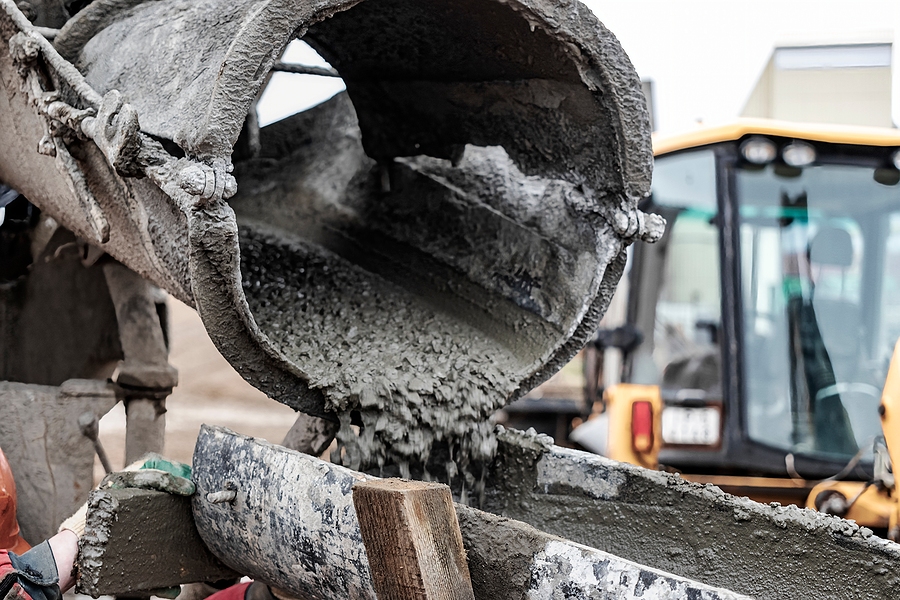
Why Floor Quality Matters in Automated Warehouses
Automated warehouses place different demands on concrete floors than facilities that rely primarily on conventional forklifts and manual material handling. Automated equipment follows programmed routes, navigates defined travel paths, and may operate within narrow clearances. Floor variations can affect how some systems travel, position, and perform.
High-bay storage and narrow-aisle systems can have particularly demanding floor requirements. As equipment operates at greater heights and within tighter spaces, consistent floor conditions become increasingly important for accurate movement and positioning.
That means the concrete slab you pour is more than a structural surface. It is part of the infrastructure that supports the facility’s automation technology.
What Happens When a Warehouse Floor Doesn’t Meet Specifications?
Floor inconsistencies can become expensive once the concrete has cured and installation work is underway. Depending on the problem, corrections may involve grinding high spots, applying repair materials, or performing other remediations.
The impact can extend beyond the original correction. If equipment installers cannot proceed as scheduled, contractors may need to coordinate new access windows, adjust work sequences, or accommodate other trades while repairs are completed.
For a large automated warehouse, these delays can affect the overall project schedule. Addressing floor requirements during pre-pour planning is generally more practical than trying to correct inconsistencies after construction has progressed.
Why Large Warehouse Slabs Are Challenging to Screed
Automated warehouses often involve expansive concrete placements with demanding floor tolerances. Maintaining consistent elevations across thousands of square feet requires the right equipment, experienced operators, and coordination between placement and finishing crews.
Manual screeding becomes increasingly labor-intensive as slab size grows. Your crew has to strike off large areas while maintaining grade and keep pace with concrete placement. Fatigue and variations in technique can make consistent production more difficult, particularly during long pours or projects with tight schedules.
Slab conditions can add to the challenge. Rebar, mesh, embedded utilities, slopes, and elevation transitions may require adjustments to the placement and screeding process.
For contractors working on large warehouse floors, the screeding method can directly affect how efficiently the crew maintains the required elevations and moves through the pour.
How Laser Screeding Helps Contractors Build More Consistent Floors
Laser screeds use laser-guided grade control to help maintain specified elevations during concrete placement. Rather than relying entirely on manual methods to strike off the slab, the equipment handles much of that work across large areas.
For automated warehouse projects, laser screeding offers several practical advantages:
- More consistent grade control: Helps maintain specified elevations across expansive slab areas.
- Reduced manual labor: Limits the amount of hand screeding required, allowing crews to focus on placement and finishing.
- Steadier production: Helps maintain a consistent strike-off process during large warehouse pours.
- Support for demanding specifications: Provides a more controlled approach to placement when floor tolerances are a priority.
Laser screeding is not a guarantee that a floor will meet every specification. Results still depend on project planning, concrete conditions, placement practices, finishing, and the required testing methods. However, using the right equipment can help you control an major part of the process.
What to Consider When Choosing a Laser Screed Rental
If you’re preparing for an automated warehouse concrete pour, equipment selection should account for more than slab size. The required floor tolerances, placement schedule, site access, slab conditions, and overall production plan all influence what equipment is appropriate.
Operator experience is another important consideration. A skilled, trained operator can manage the laser screed while coordinating with the concrete crew, reducing the need for your workers to learn specialized equipment during a demanding placement.
An operator-included laser screed rental gives contractors access to both the machinery and the experience needed for large commercial and industrial slabs. It also avoids the purchase price, ongoing maintenance, storage, and operator training associated with owning specialty equipment.
For contractors who need laser screeding capabilities for specific projects rather than year-round use, renting with an operator can be a practical way to increase production capacity without equipment ownership.
Build a Better Foundation for Warehouse Automation
Automated warehouse floors require careful planning and consistent execution. Meeting the project’s flatness, levelness, and elevation requirements helps reduce the risk of costly corrections and gives equipment installers the floor conditions they need to move forward.
If you’re bidding or preparing for a large warehouse pour, review the floor specifications early and select a screeding method that matches the project’s requirements. A laser screed rental from Myles Construction Services includes a skilled, trained operator, which might be exactly what you need to keep your next big project on track. Reduce manual labor demands, maintain consistent elevations, and support production across large slab areas with ease.
Need a laser screed for an upcoming warehouse project but don’t want the hassle of equipment storage and maintenance? Contact us to discuss your placement schedule, project location, and operator-included rental options.