

Why Floor Quality Is Becoming a Competitive Advantage in Construction
Many buildings still operate with electrical systems that were installed decades ago, even though today’s technology places much greater demands on wiring and electrical panels. This article is written for homeowners wondering whether an older electrical system is still safe and reliable. It explains common signs that an electrical system may no longer meet modern safety standards, the risks of delaying upgrades, and how professional electrical improvements can better support today’s power needs.
Floor quality has become a competitive advantage for contractors. Warehouses, manufacturing facilities, distribution centers, parking structures, and data centers all depend on concrete slabs that perform as designed. As buildings become more sophisticated and operations become increasingly automated, the expectations placed on concrete contractors continue to rise.
Contractors who can consistently deliver high-quality floors are better positioned to earn future work, strengthen client relationships, and distinguish themselves from competitors.
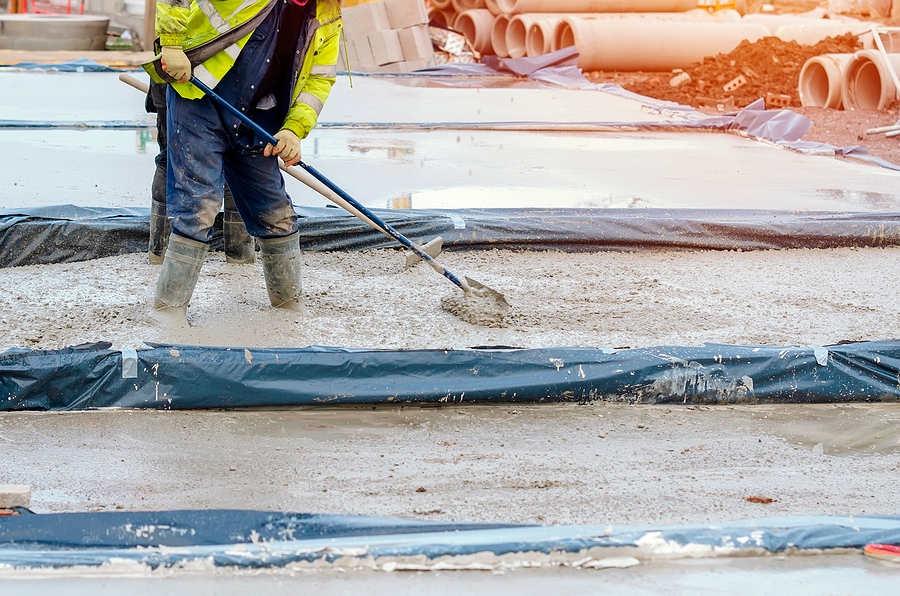
Floor Quality Impacts More Than Appearance
A concrete slab is the foundation for everything that follows. It supports shelving systems, manufacturing equipment, automated guided vehicles, forklifts, robotics, storage racks, and countless other systems that depend on consistent floor elevations.
Even minor inconsistencies can create operational challenges long after construction is complete. A warehouse floor that fails to meet specified tolerances may affect material handling equipment. A manufacturing facility may require additional corrections before production equipment can be installed. In a data center, precise floor elevations help support the installation of sensitive infrastructure and specialized equipment. The quality of the finished slab influences the performance of the entire building.
Quality Builds Confidence With General Contractors
General contractors manage dozens of subcontractors on a typical commercial project. They need partners they can trust to perform without creating unnecessary delays or quality concerns. When a concrete contractor consistently delivers accurate slab elevations and dependable production schedules, project managers notice.
Reliable performance simplifies scheduling for follow-up trades, reduces the likelihood of corrective work, and helps maintain momentum across the entire project. That confidence often leads to repeat invitations to bid future projects.
General contractors remember subcontractors who make their jobs easier.
Likewise, they remember projects where slab quality created scheduling problems, inspection failures, or expensive rework. Delivering consistent floor quality is one of the most effective ways to build long-term business relationships.
Rework Reduces Profitability
Floor quality is not only about satisfying the customer. It also has a direct impact on profitability.
Every hour spent correcting high spots, repairing low areas, or addressing failed floor tolerance requirements reduces the efficiency of the project.
Rework consumes labor, equipment, and materials that were never included in the original production schedule. It also increases the risk of delaying other trades, creating additional costs that can quickly erode profit margins. Preventing those issues during placement is almost always more efficient than correcting them later.
Contractors who consistently produce high-quality slabs spend more time completing projects and less time fixing avoidable problems.
Precision Supports Productivity
Many contractors think of quality and productivity as competing priorities. In reality, they often support one another. A consistent concrete placement process reduces the need for constant adjustments during finishing. It minimizes production interruptions and creates a smoother workflow from the beginning of the pour through final finishing.
Crews can focus on maintaining steady progress instead of reacting to inconsistencies that develop during placement. The result is greater production predictability, fewer delays, and improved efficiency across the jobsite. Quality is not achieved by slowing down.
It is achieved through a controlled production process that allows contractors to work efficiently while maintaining consistent results.
Technology Is Raising the Standard
Advancements in construction technology have changed expectations across the industry.
General contractors and owners increasingly recognize the benefits of equipment that improves accuracy, production consistency, and schedule reliability. Laser screeds have become an important part of that evolution on large commercial and industrial slab projects.
Using laser-guided technology, they produce consistent slab elevations across large placement areas while reducing the reliance on labor-intensive manual screeding. This combination of precision and productivity helps contractors meet demanding floor tolerance requirements without sacrificing production rates.
As more projects adopt these technologies, contractors who continue relying exclusively on traditional methods may find it more difficult to compete on projects where precision is a deciding factor.
Better Floors Start With Better Planning
Consistent floor quality does not happen by chance. It begins with thoughtful planning, realistic scheduling, experienced crews, proper quality control, and equipment that matches the demands of the project. Large warehouse floors, manufacturing facilities, parking structures, and data centers all present unique production challenges. Selecting the appropriate placement methods early in the planning process helps reduce variability before the first load of concrete even arrives.
A laser screed rental can be an important part of that planning strategy. Instead of depending entirely on manual screeding, contractors can incorporate equipment designed to improve placement consistency while supporting demanding production schedules. When the rental includes a skilled, trained operator, the process becomes even more streamlined. Contractors gain access to specialized expertise without adding training responsibilities or increasing coordination demands for their internal crews.
Competitive Advantages Are Built One Project at a Time
Reputation is earned through consistent performance. Every successful slab reinforces confidence with owners, general contractors, and project managers who are looking for subcontractors they can rely on for future work. Delivering floors that meet specifications, reduce rework, and support aggressive schedules demonstrates professionalism that extends beyond a single project. Over time, those results become a competitive advantage that is difficult for competitors to duplicate.
Build Better Floors
As construction projects continue to grow in size and complexity, floor quality will only become more important. Contractors who invest in consistent production methods are better equipped to meet strict specifications, minimize costly rework, and keep projects moving on schedule. Incorporating a laser screed rental with a skilled, trained operator helps improve placement accuracy while reducing the labor demands associated with traditional screeding methods. More importantly, it helps contractors deliver the kind of reliable results that strengthen client relationships, generate repeat business, and create a lasting competitive advantage in an increasingly demanding construction industry. To learn more about how a laser screed rental can work for you, contact Myles Construction Services today.